


I once lost an entire week of work because, in a moment of impatience, I dug straight down looking for diamonds. Unfortunately, I fell into a pool of lava I never saw coming, and, in just about 2 seconds, I watched everything I built disappear. It was gone, with no warning and no time to react. Consequently, I sat there staring at my respawn screen, feeling genuinely sick about it. While it may seem ridiculous to feel that way over a video game, anyone who has actually lost a serious survival world knows exactly that feeling.
Years ago, I’d die plenty of dumb deaths since then; however, that lava incident, in particular, changed how I play. As a result, I stopped taking survival mode lightly and started being more careful, just as you would hope someone would be after they almost lost everything once. Therefore, these ten tips come from years of mistakes, near misses, and a few truly embarrassing deaths that I am willing to admit to. If you’re new to the game, or if you keep losing worlds to things you could have avoided, then this list is for you.
1. Never Dig Straight Down (Seriously, Don’t)
I have already told you how this one bit me, and it is worth mentioning again, as it is the single most common way for new players to lose everything. Digging straight down means you can’t see what’s below you—lava, cave drop, or ravine—until you’re falling right into it.
What to do instead: dig in a staircase style, one block down and one block forward, so you can always see what is ahead before you commit to it. It takes a little bit longer, but it’s really the difference between a long, successful mining trip and losing your entire inventory in a second.

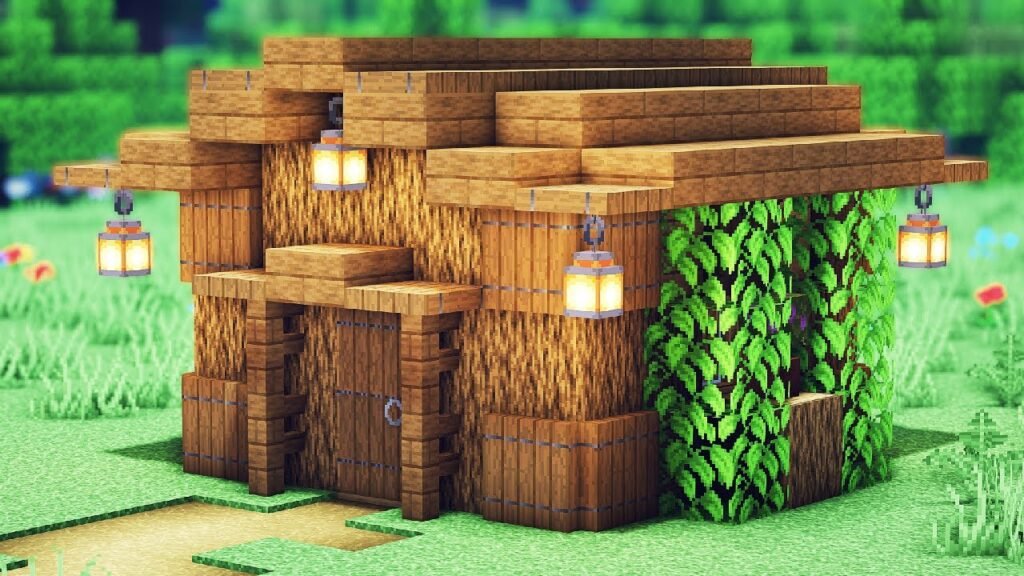
2. Build Real Shelter Before Your First Night, Not “Good Enough” Shelter
Built a shelter, which was basically 3 blocks of dirt and a prayer. My first ever Minecraft world. A zombie got the one hole I had missed, and I spent the rest of that night being chased all over my own base. Lesson learned, fast.
Step-by-step for your first shelter:
- If possible, look for a small hill or cave opening; less digging means less time of exposure.
- Be sure to seal every opening—any place where water or openings might let mobs seep through.
- Make sure to put at least one light source in it. A torch works fine in the beginning since mobs won’t spawn in lit areas.
- Secure your door. If you haven’t made a proper door yet, a dirt block you can place and break is fine.
3. Always Keep a Food Surplus, Not Just Enough for Right Now
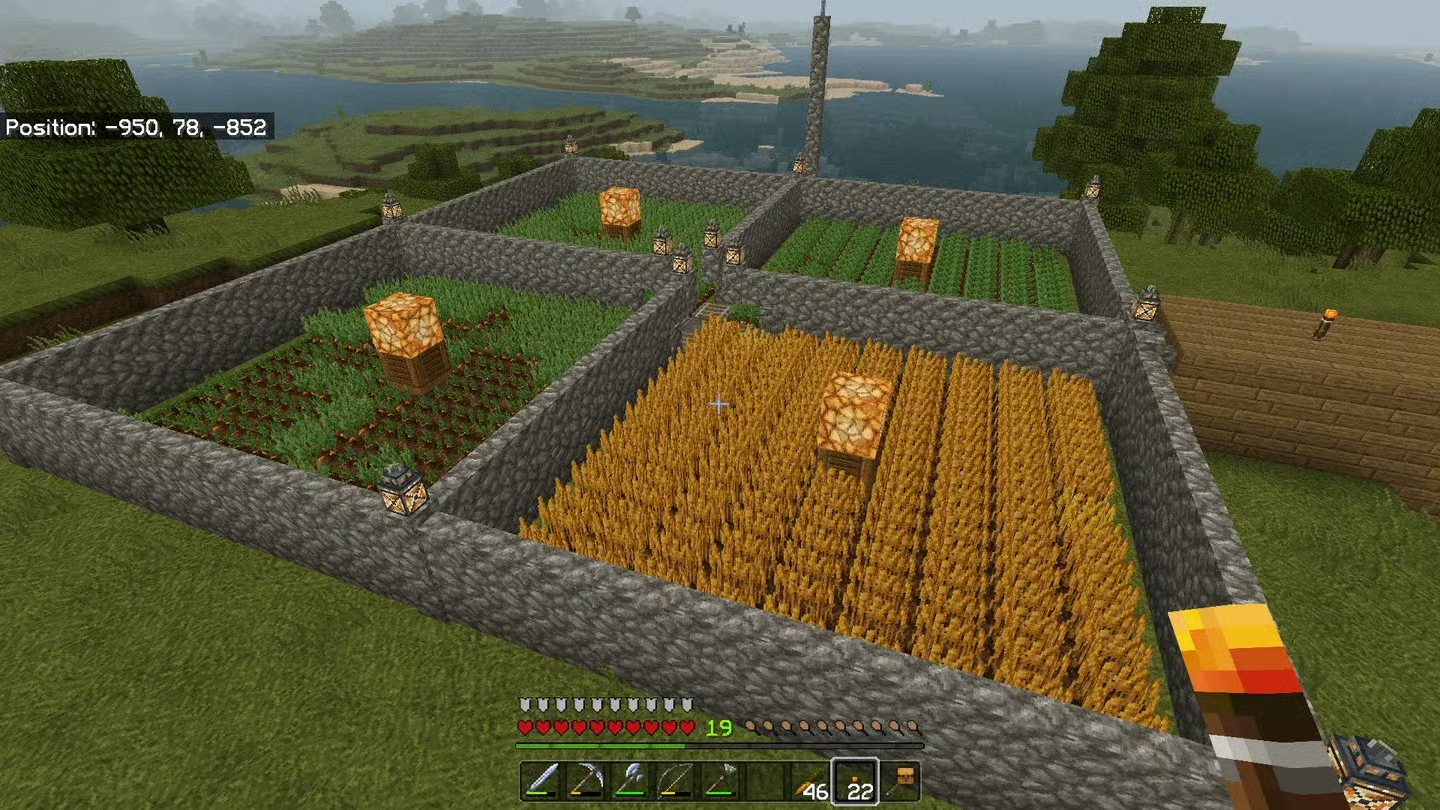
I used to eat just enough and not a bite more, only to find myself caught out on a long expedition with an empty hunger bar and no food to be found. Running out of food in the middle of an exploration is a miserable, entirely avoidable problem.
What works is having a stack of something reliable, like bread or baked potatoes, which are easy early choices in your inventory at all times, separate from whatever you’re casually eating. Consider it an emergency fund that you don’t touch unless you’re really desperate.
4. Sleep in a Bed Every Night You Can
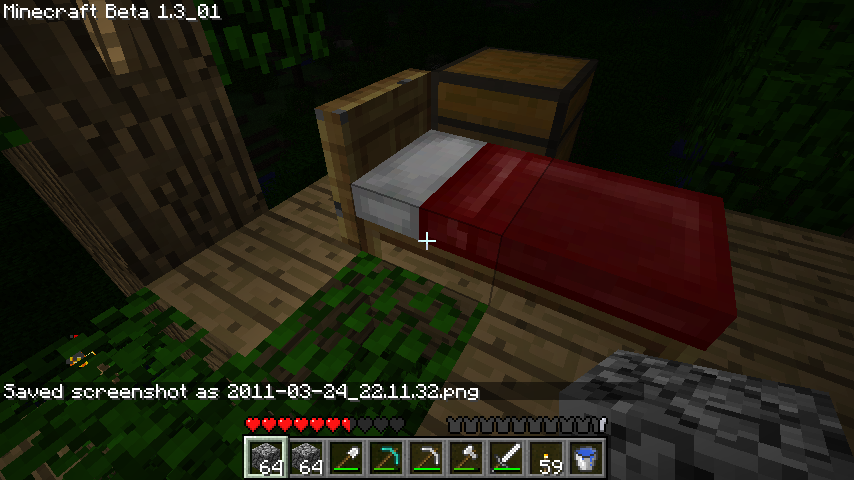
Sleeping in a bed skips the entire night and avoids the mob swarm that comes with it, but it also resets your respawn point. This one I learned the hard way, after dying far from home with no bed set and having to respawn all the way back at world spawn, miles away from everything I had built.
Pro tip: Have a bed at your main base, but maybe also have an inexpensive backup bed at any secondary outpost you’re regularly using, so that a bad death out in the field doesn’t have you taking the long walk of shame back to your stuff.
5. Craft a Shield as Early as Possible
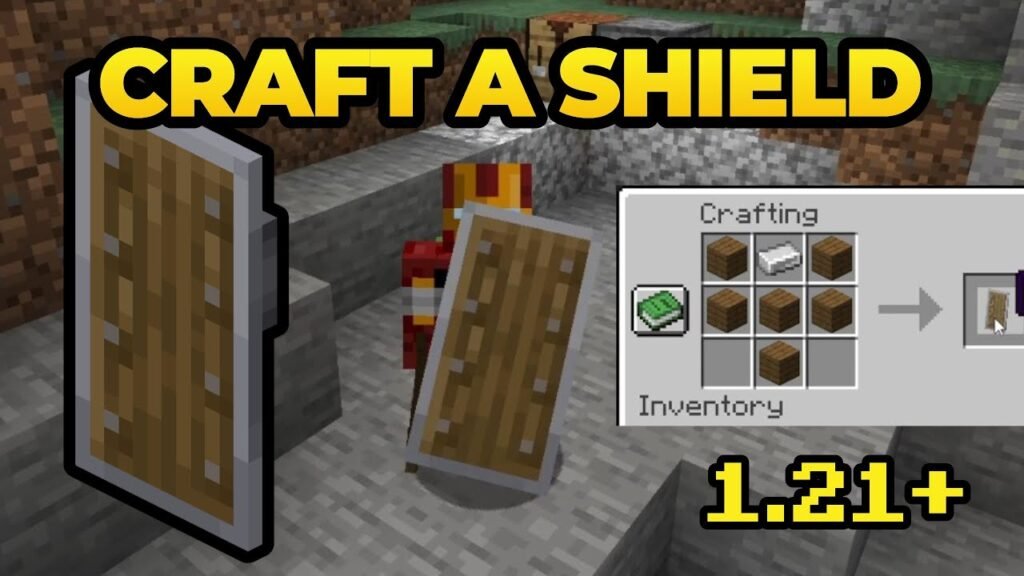
I neglected shields for too long, thinking of them as optional equipment instead of must-have gear. When I actually started using one regularly, my survival rate against skeletons and other ranged attackers improved dramatically. A shield blocks most incoming damage, including arrows and a chunk of melee hits, which gives you breathing room in fights that used to just chip away at my health bar helplessly.
How to get one fast: you just need six planks and one iron ingot. It’s a genuinely cheap craft for how much protection it gives you, and there’s no good reason to skip it once you’ve got basic iron tools going.
6. Respect Creepers, Don’t Just Run From Them
Creepers are known to explode. What newer players don’t always realize is how close is too close, and I definitely learned this the hard way by testing the boundary more than once, losing a chunk of a half-built structure to a creeper that snuck up while I was focused on something else.
Practical tip: Listen for the hissing sound; that’s your warning window. If you hear it, back off. Or hit it with a ranged attack instead of going in for the kill immediately. You can also put down torches on the outside of your base. Just like other hostile mobs, creepers won’t spawn in well-lit areas.

7. Mark Your Cave Paths So You Don’t Get Hopelessly Lost
I have lost my way in caves more times than I am willing to admit, wandering around with a dying torch and no idea which way leads back to the surface. It’s a real stress to be sure. Especially when your hunger bar starts to go down too.
Step-by-step for not losing yourself underground:
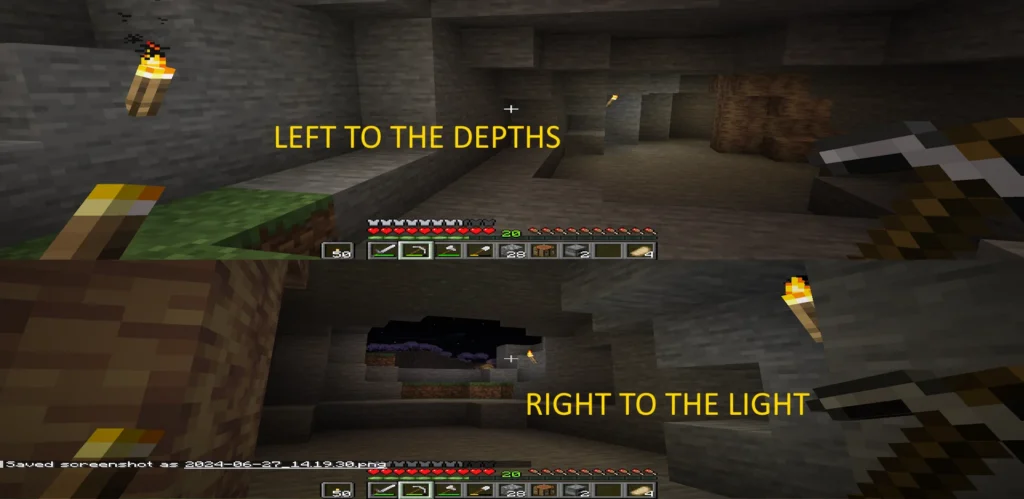
- Place torches on a consistent side of the tunnel, always on your right on the way in, for example.
- On your way back, keep torches on your left, and you’ll naturally retrace your steps correctly.
- If you’re playing Bedrock or Java with map access, craft and carry a map early. It’s genuinely one of the most underrated survival tools in the game.
- Consider marking major intersections with a distinct block type so you recognize decision points at a glance.
8. Enchant Your Gear Before You Need It, Not After a Close Call
I used to delay enchanting for “later,” treating it as a late-game luxury, not a survival tool. That kind of thinking nearly got me killed more than once against tougher mobs I wasn’t really ready for.
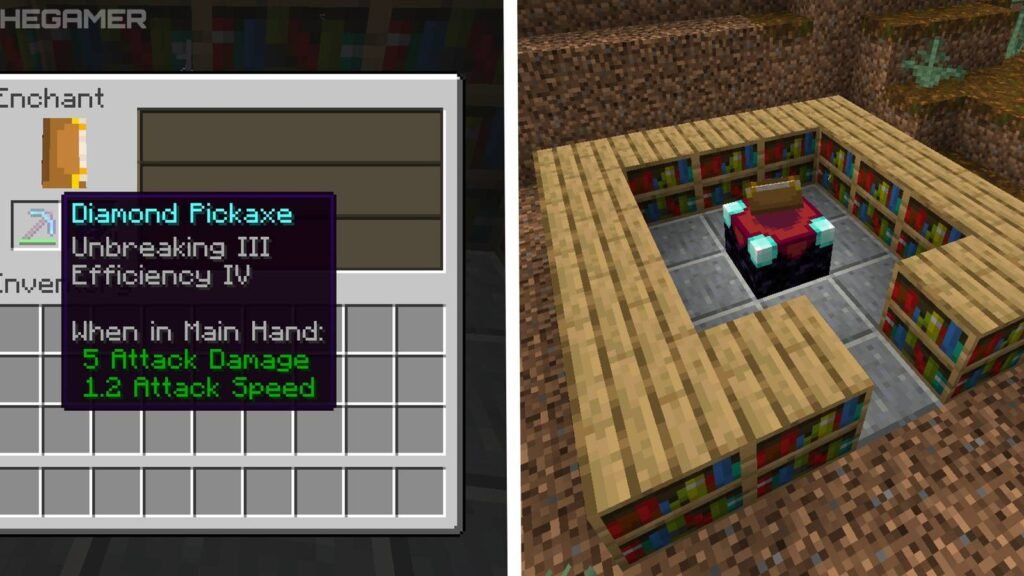
To begin, craft a basic enchanting table using obsidian and a book, and place it next to bookshelves to boost your enchantment choices. When you’re going into more dangerous places like caves or fighting off a raid, even basic protection or sharpness enchantments have a non-zero impact on your chances of survival.
9. Be Extra Careful Around Sulfur Caves and Their New Hazards
If you’ve played the recent Minecraft updates, you know the underground cave scene got a lot more dangerous with the newer sulfur cave biome. Between gas pockets that can really screw you up if you aren’t prepared and the fact that cave spiders now spawn naturally out in the wild instead of being limited to old abandoned mineshaft spawners, the usual “just wander in and see what’s there” approach is riskier than it used to be.
What I would actually suggest: If you are serious about exploring a sulfur cave, bring some water-breathing or fire-resistance potions, and don’t underestimate the cave spiders just because they are small. The poison builds up quickly if you get swarmed, and I’ve been caught off guard more than once, assuming a “small” mob wasn’t worth taking seriously.

10. Don’t Let a Single Death Wipe Out Everything You Own
This is the big one, the lesson I learned most directly from the lava incident. Default: When you die, you lose all of your inventory right at the point of death, and if you don’t get back to it fast enough, mobs, lava, or just the despawn timer will take it all away forever.
Practical protection: Don’t carry everything on you at all times. Keep truly valuable items, enchanted gear, and rare resources in a secured chest at your base. “Take only what you really need on a particular expedition. That way even a bad death only costs you what you have on you, not all your accumulated progress.

A Few More Mistakes Worth Avoiding
Beyond the ten main tips, a few smaller things I’ve messed up that are worth a quick mention:
- Fighting multiple mobs in an open area instead of retreating to a chokepoint. Funneling enemies into a narrow space, a doorway or tunnel, lets you fight them one at a time instead of getting surrounded.
- Ignoring hunger management during combat. You can’t sprint or regenerate health with a low hunger bar, which makes fights way harder than they need to be if you forgot to eat beforehand.
- Building your first base too close to a cave entrance without securing it. Mobs wandering out of an unsealed cave opening at night is a classic, completely preventable disaster.
- Underestimating fall damage. It’s an easy thing to forget about mid-exploration, and a long fall onto stone can genuinely kill you just as easily as a mob can.

Final Thoughts
In retrospect, I don’t think I would have learned better habits without a painful mistake like that lava death years ago. And honestly, that’s how most of these lessons stuck for me. Not reading a guide, but losing something I cared about and adjusting after the fact. If you can avoid a few of those painful lessons by actually doing this list instead of learning it the hard way like I did, that’s a win. Be careful down there, keep your torches on, and don’t dig straight down, maybe. I promise that will be one to remember.
Official Minecraft resources like https://www.minecraft.net/en-us
Minecraft Help Center: https://help.minecraft.net/hc/en-us
on YouTube: https://www.youtube.com/@minecraft
Minecraft on X: https://x.com/Minecraft
Thank you for reading!
Thank you for taking the time to read this Minecraft article on GamingMuz. z! 🎮
We hope these Minecraft tips and secrets helped you discover something new and made your gameplay more enjoyable.
If you found this article useful, feel free to share it with your fellow Minecraft players. Keep checking GamingMuzz for more gaming guides, tips, news, and interesting gaming content.
Keep gaming, keep exploring, and have fun! ⛏️💚
Until Next Time!
That’s all for today’s Minecraft guide. Thanks again for visiting GamingMuzz.
We’ll be back with more gaming content, guides, tips, tricks, and the latest gaming topics. So don’t forget to visit GamingMuzz again for our next article.
Until next time—happy gaming! 🎮⛏️
— GamingMuzz Team http://www.gamingmuzz.com